
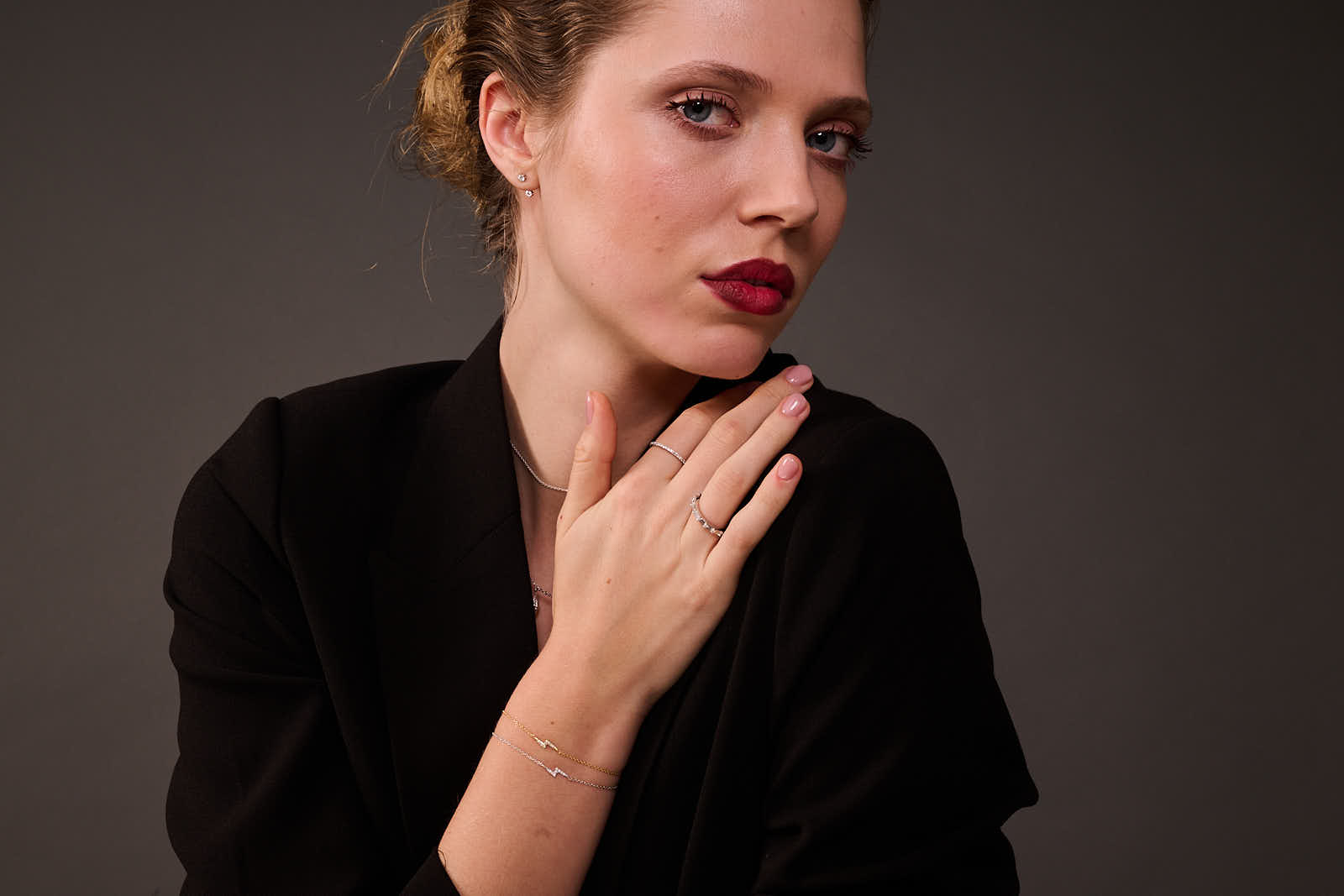
Best Diamond Shapes for Tennis Bracelets
It's one of those details most people overlook at first.
When you think about a tennis bracelet, you probably imagine a clean line of diamonds—simple, balanced, and consistent. But what most people don't realize is that the shape of those diamonds changes everything.
The way the bracelet catches light. The way it feels on your wrist. Even the way it fits into your personal style.
And once you start looking closer, you realize you're not just choosing a tennis bracelet—you're choosing how it behaves visually.
So the real question becomes:
Which diamond shape actually works best for a tennis bracelet?
Why Diamond Shape Matters More Than You Think
At a glance, all tennis bracelets might look similar. But the shape of the diamonds affects:
- Light reflection (sparkle)
- Overall symmetry
- Flexibility and comfort
- Style perception (classic vs modern)
Some shapes create maximum brilliance. Others create a softer, more refined look.
Understanding this difference helps you choose a bracelet that feels right—not just one that looks good in photos.
1. Round Cut – The Most Popular Choice
The round cut is the standard for tennis bracelets—and for good reason.
It offers:
- Maximum sparkle
- Perfect symmetry
- Consistent appearance
Because round diamonds reflect light more efficiently than any other shape, they create the signature brilliance most people expect from a tennis bracelet.
This is the safest and most versatile choice.
2. Princess Cut – A Sharper, Modern Look
Princess cut diamonds are square-shaped with sharp edges.
They create:
- A more structured appearance
- Slightly less sparkle than round cuts
- A modern, geometric feel
This shape works well if you prefer something clean but slightly more distinctive than the classic round design.
3. Emerald Cut – Subtle and Refined
Emerald cut diamonds are rectangular with step-cut facets.
Instead of intense sparkle, they offer:
- A soft, mirror-like reflection
- A more understated look
- A sense of depth rather than brilliance
This shape is often chosen by those who prefer quiet elegance over high sparkle.
4. Oval Cut – Balanced and Slightly Elongated
Oval diamonds are similar to round cuts but stretched.
They provide:
- Good sparkle
- A slightly elongated appearance
- A softer, more fluid look
Oval shapes are becoming more popular because they offer a balance between classic and modern.
5. Cushion Cut – Soft and Vintage-Inspired
Cushion cuts have rounded edges and a pillow-like shape.
They create:
- A softer sparkle
- A slightly vintage feel
- A less uniform appearance
This shape works well for those who want something less sharp and more relaxed in design.
6. Baguette Cut – Clean and Minimal
Baguette diamonds are long and rectangular with straight edges.
They offer:
- Minimal sparkle
- A sleek, modern look
- Strong alignment
This style is less about brilliance and more about structure and design.
7. Marquise Cut – Unique and Eye-Catching
Marquise diamonds are elongated with pointed ends.
They create:
- A distinctive shape
- A more dramatic look
- Increased visual length along the bracelet
This is not a common choice—but it stands out when done well.
Which Diamond Shape Sparkles the Most?
If sparkle is your priority, the answer is clear:
Round cut diamonds provide the highest level of brilliance.
Their facet structure is specifically designed to reflect the maximum amount of light, which is why they dominate tennis bracelet designs.
Which Shape Looks the Most Expensive?
Interestingly, this isn't always about price.
- Round cuts → Most traditional and luxurious appearance
- Emerald cuts → High-end, understated luxury
- Baguette cuts → Modern, design-focused luxury
Perception plays a big role here.
Which Shape Is Best for Daily Wear?
For everyday use, comfort and consistency matter.
- Round and oval shapes → Best balance of sparkle and flexibility
- Princess cuts → Slightly sharper edges, but still wearable
- Baguette and emerald cuts → More structured feel
A flexible, smooth bracelet is easier to wear throughout the day.
The Role of Lab-Grown Diamonds in Shape Variety
One of the reasons more shapes are available today is the rise of lab-grown diamonds.
They allow:
- Greater design flexibility
- More experimentation with shapes
- Better affordability for larger or unique cuts
This is why modern collections, like those from I Want Jewels, are able to offer a wider range of options without extreme pricing differences.
How to Choose the Right Shape for You
Instead of focusing only on trends, think about how you want the bracelet to feel.
Choose round if: You want maximum sparkle and a timeless look.
Choose oval if: You want something slightly different but still classic.
Choose emerald if: You prefer subtle, refined elegance.
Choose princess if: You like a structured, modern style.
Choose baguette or marquise if: You want something unique and less common.
The Biggest Mistake Buyers Make
Many people focus only on carat size or price and ignore shape completely.
But shape is what defines:
- How the bracelet looks in motion
- How it reflects light
- How often you'll enjoy wearing it
Choosing the wrong shape can make a bracelet feel less “you,” even if everything else is perfect.
Does Shape Affect Price?
Yes, but not always significantly.
Round diamonds are usually:
- Slightly more expensive due to demand
Other shapes can be:
- More cost-efficient
- Easier to source in certain sizes
However, the difference is often less noticeable in tennis bracelets compared to rings.
Conclusion
The diamond shape you choose for a tennis bracelet does more than change its appearance—it defines how the piece interacts with light, how it feels on your wrist, and how naturally it fits into your style.
While round diamonds remain the most popular for their unmatched sparkle, other shapes offer unique variations that can make the bracelet feel more personal.
So when you're choosing your bracelet, it's not just about what looks best—it's about what feels right every time you wear it.
And once you think about it that way, the real question becomes: which shape feels like it already belongs on your wrist?
Explore Our Store
View all→Frequently Asked Questions
More Articles
- Best Earrings for a Girls' Night Out
- Geometric Earrings vs Classic Hoop Earrings: Which Is Right for You?
- What Is a Tennis Bracelet? Meaning, Cost & Buying Guide
- Lab Grown vs Natural Diamond Tennis Bracelet
- How Much Does a Tennis Bracelet Cost in 2026?
- Are Lab Grown Diamond Tennis Bracelets a Good Investment?
- Tennis Bracelet Size Guide — How to Measure Your Wrist