
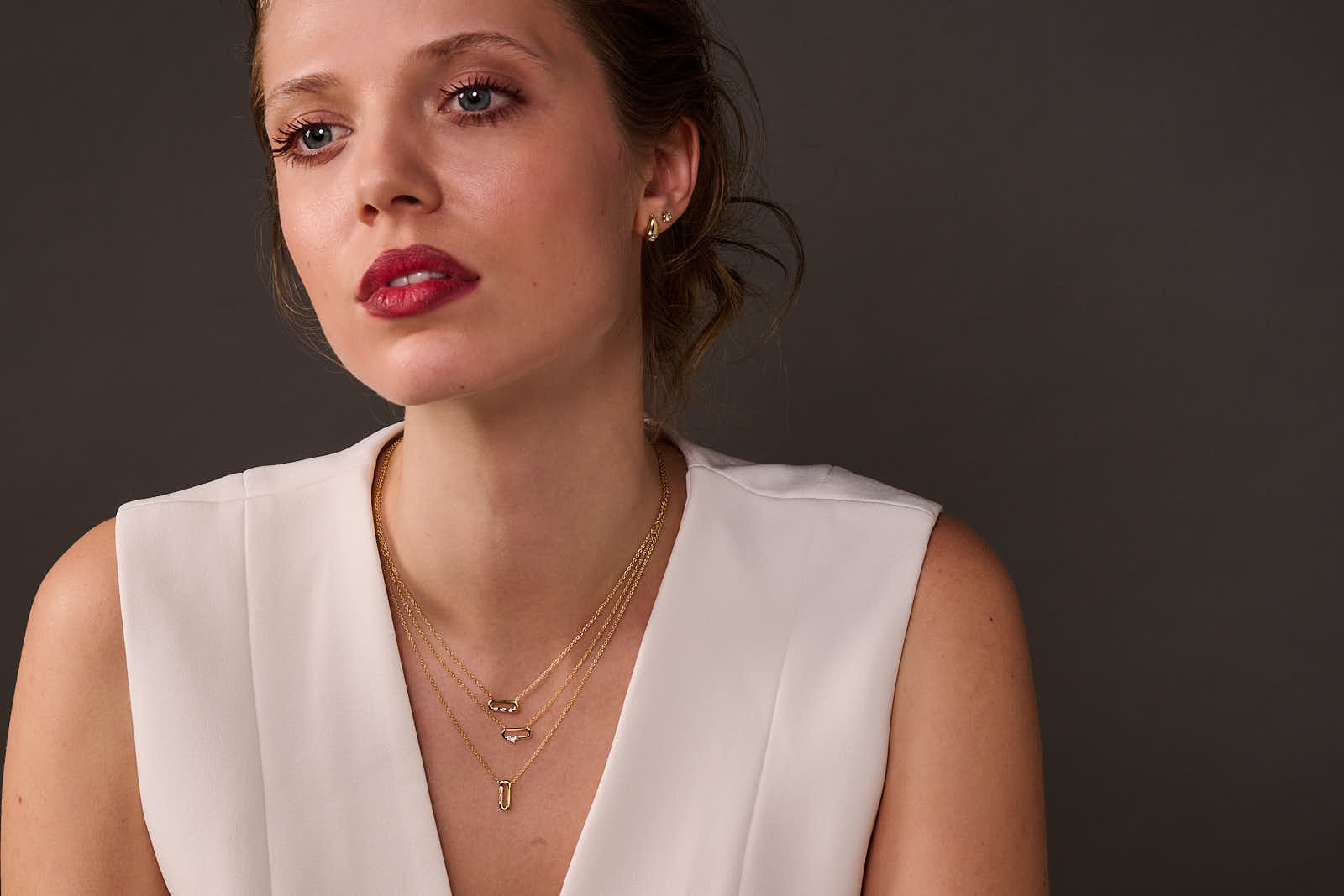
Do Tennis Bracelets Hold Value?
It's a question that comes up more often than people expect.
You're not just buying a tennis bracelet because it looks good—you're also thinking long-term. Even if you're not actively planning to sell it, there's always that thought in the back of your mind:
Will this hold its value?
And it's a fair question. Jewellery sits in a unique space—it's both personal and financial, emotional and material. But when it comes to tennis bracelets, the answer isn't as straightforward as “yes” or “no.”
Because value depends on what you're actually measuring.
The Short Answer: Not in the Way You Think
Most tennis bracelets do not increase in value over time.
Unlike certain rare gemstones or collectible pieces, tennis bracelets are:
- Widely available
- Consistent in design
- Not limited in supply
This means they don't typically function as financial investments.
Why They Don't Appreciate Like Other Assets
There are a few key reasons.
Standardized Design: Tennis bracelets follow a consistent structure—a line of diamonds. Because of this, they don't carry the uniqueness that drives collectible value.
Market Availability: Both natural and lab-grown diamond bracelets are widely available, which reduces scarcity.
Retail Markup: When you buy jewellery, part of the price includes:
- Branding
- Retail costs
- Design margins
These don't translate into resale value.
Natural vs Lab-Grown: Does It Affect Value?
Yes—but not always in the way people expect.
Natural Diamond Bracelets:
- Slightly better resale potential
- Still often sold below purchase price
Lab-Grown Diamond Bracelets:
- Lower resale value
- More affordable upfront
Neither option is designed primarily for investment.
When a Tennis Bracelet Can Hold Value
There are exceptions—but they are specific.
A bracelet may retain more value if:
- It uses high-quality natural diamonds
- It has significant carat weight
- It comes from a recognized luxury brand
Even then, appreciation is not guaranteed.
The Real Value: Usage Over Time
This is where the perspective shifts.
Instead of asking:
- “Will it increase in value?”
It's more useful to ask:
- “How much value will I get from using it?”
A bracelet worn regularly:
- Becomes part of your routine
- Delivers consistent enjoyment
- Feels more “worth it” over time
This is often referred to as cost-per-wear value.
Cost Per Wear: A More Practical Metric
Let's look at it realistically.
- €200 bracelet worn daily → High value over time
- €5,000 bracelet worn occasionally → Lower practical value
The more you wear it, the more value it provides—regardless of resale price.
Emotional Value vs Financial Value
Jewellery often carries something that numbers can't measure.
A tennis bracelet may represent:
- A gift
- A milestone
- A personal achievement
This emotional connection often outweighs any financial return.
And because tennis bracelets are worn frequently, they tend to hold this meaning more consistently than occasional pieces.
Why People Still Consider Them “Worth It”
Even without strong resale value, tennis bracelets remain popular.
Why?
Because they offer:
- Everyday usability
- Timeless design
- Long-term wear
They're not bought to be sold—they're bought to be used.
The Shift in Buying Mindset
In 2026, buyers are thinking differently.
Instead of focusing on:
- Resale value
- Investment potential
They're prioritizing:
- Practical use
- Comfort
- Versatility
This is why more people are choosing accessible options like lab-grown diamond bracelets.
A Practical Example
Modern pieces like the Elettra Lab Grown Diamond Tennis Bracelet from I Want Jewels are designed for daily wear—not resale.
They reflect the shift toward:
- Wearable luxury
- Value through use
- Practical ownership
When Investment Might Matter
If your goal is strictly financial, there are better options than tennis bracelets.
Investments typically involve:
- Rare gemstones
- High-end collector pieces
- Limited-edition jewellery
Tennis bracelets don't usually fall into this category.
The Biggest Misconception
Many buyers assume:
“Expensive jewellery = good investment.”
In reality:
- Price doesn't guarantee appreciation
- Usage often determines real value
Understanding this helps set realistic expectations.
How to Approach the Purchase
Instead of focusing on resale, consider:
- Will I wear this often?
- Does it fit my lifestyle?
- Does it feel comfortable and natural?
If the answer is yes, the bracelet is likely worth it for you.
The Long-Term Perspective
Over time, a tennis bracelet becomes less about price and more about presence.
It's something you:
- Wear regularly
- Associate with moments
- Keep as part of your personal collection
That's a different kind of value—one that isn't measured in resale numbers.
Conclusion
Tennis bracelets don't typically hold or increase in value in a financial sense—but that doesn't mean they lack value. Their worth comes from how they're used, how often they're worn, and how naturally they fit into your life.
When you shift the perspective from investment to experience, the value becomes much clearer.
Because in the end, the real question isn't whether a tennis bracelet will hold its value on the market—but whether it will hold its place in your everyday life for years to come?
Explore Our Store
View all→Frequently Asked Questions
More Articles
- Best Earrings for a Girls' Night Out
- Geometric Earrings vs Classic Hoop Earrings: Which Is Right for You?
- What Is a Tennis Bracelet? Meaning, Cost & Buying Guide
- Lab Grown vs Natural Diamond Tennis Bracelet
- How Much Does a Tennis Bracelet Cost in 2026?
- Are Lab Grown Diamond Tennis Bracelets a Good Investment?
- Tennis Bracelet Size Guide — How to Measure Your Wrist